Why an Irish Pub in NYC Is a Must-Visit for Food Lovers

New York has never had trouble attracting people who want to eat well. The city rewards curiosity, appetite, and stamina. You can spend a week chasing omakase counters, red sauce institutions, bakery lines, and neighborhood spots that somehow never make it into guidebooks. Yet one category still gets dismissed too quickly by serious diners: the Irish pub.
That is a mistake, especially in New York.
A good Irish pub in NYC is not just a place to drink a pint and watch a match. At its best, it is one of the city’s most satisfying food experiences, precisely because it combines hospitality, consistency, and a kind of culinary common sense that many trend-driven restaurants have forgotten. The best pubs understand proportion, balance, and comfort. They know how to send out a plate that feels generous without becoming clumsy. They know the value of hot food arriving hot, cold beer arriving cold, and service that makes room for regulars and first-timers at the same table.
Food lovers tend to talk a lot about innovation. Fair enough. New York thrives on reinvention. But diners who know the city well also learn to value places that get the fundamentals exactly right. That is where an Irish pub earns its place.
The appeal starts with food that respects hunger
There is a difference between food designed to impress and food designed to satisfy. The first can be thrilling. The second is harder to do well.
Irish pub cooking, when handled properly, is grounded in appetite. It assumes the person at the table wants more than a decorative arrangement of ingredients. That sounds obvious, but it is surprisingly rare in a city where some plates seem calibrated more for photos than for dinner.
The great pub dishes are built around practical pleasures. A shepherd’s pie should arrive with a deeply savory filling, not a vague mash of minced meat hidden under stiff potatoes. Fish and chips should be crisp, not greasy, the batter protecting the fish without smothering it. A steak sandwich should taste like beef first, bread second, and condiments only where they help. Even something as simple as soup and brown bread can reveal whether a kitchen understands restraint. If the broth is thin, the bread stale, or the seasoning lazy, you notice. If it is good, it tastes like care.
That directness is part of why food lovers should pay attention to an Irish Pub NYC crowd already trusts. These kitchens are rarely trying to distract you. The standards are plain. Either the food lands, or it does not.
The menu is broader than most people expect
Many diners still picture the pub menu as a narrow lane of stew, burgers, and fried snacks. Some pubs certainly lean that way, especially those built primarily for late-night traffic. But stronger kitchens often offer a range that reflects both Irish tradition and New York expectations.
You will often find seafood handled with more confidence than people anticipate. Salmon appears often, sometimes simply grilled, sometimes folded into richer preparations. Mussels, chowders, crab cakes, and fish specials make sense in a city shaped by the Atlantic and by immigrant cooking traditions that never treated seafood as an afterthought.
Then there is breakfast and brunch, which may be the most underrated time to judge a pub kitchen. An Irish breakfast done well is a test of timing and discipline. Sausages need snap, rashers need proper rendering, eggs cannot languish, potatoes need color, and soda bread has to bring texture rather than sit on the plate like obligation. It is an honest meal. There is nowhere to hide weak execution.
The same goes for bangers and mash, chicken pot pie, lamb stew, and roast dinners. None of these dishes are complex in concept. That is precisely why they matter. A kitchen can no longer lean on novelty once a diner cuts into pastry, drags a fork through mashed potatoes, or judges whether the gravy has body and depth.
Comfort food is not lesser food
One of the stranger habits in food culture is the tendency to separate comfort from quality, as though a dish can be emotionally satisfying or technically sound, but not both. An Irish pub exposes how false that split is.
Think about what makes a plate memorable in the first place. Texture, temperature, seasoning, pacing, generosity, and context all matter. A bowl of stew on a cold evening in Manhattan can be every bit as revelatory as a carefully plated tasting menu course, just in a different register. The satisfaction comes from coherence. The dish makes sense. Nothing feels fussy. Nothing feels neglected.
For food lovers, this matters because judgment gets sharper when stripped of spectacle. In a pub, you are often evaluating fundamentals in a more direct way. Is the mash buttery but not gluey? Has the cook built flavor through stock and browning, or relied on salt to fake depth? Are the greens treated as part of the meal or a decorative afterthought? Does the crust on a pie shatter and hold, or collapse into dampness?
These are not secondary questions. They are central ones.
The best Irish pubs in New York understand the room as part of the meal
Restaurants are not just kitchens. They are systems of feeling.
One reason an Irish pub in NYC can become a food destination is that the dining room often supports the meal better than a more self-conscious restaurant does. Good pubs know how to create energy without chaos. There is usually a lived-in ease to the space, wood worn smooth, lighting low enough to flatter but bright enough to eat by, staff moving quickly without theatrics. You can have a serious meal there without the room insisting that you perform seriousness in return.
That distinction matters. Food lovers often want to focus. They also want to relax. In a strong pub, the table can handle both. You can discuss the merits of the braised short ribs, steal a bite of someone’s curry fries, and order another round without feeling rushed or staged.
I have eaten in plenty of high-design rooms where the acoustics were so punishing that every dish had to fight to be noticed. A pub usually understands the opposite principle. It invites return visits by making people comfortable enough to stay. The food benefits from that. So does the diner.
New York gives the Irish pub a particular edge
Irish pubs exist all over the world, but New York gives the format unusual depth. The city’s Irish history is only part of the story. The other part is how the city constantly pressures restaurants to sharpen their game.
A pub in Manhattan, Brooklyn, Queens, or the Bronx is not competing in a vacuum. It is competing with diners, bistros, sports bars, hotel restaurants, gastropubs, taverns, neighborhood grills, and fast-casual concepts that promise speed and convenience. To stand out, a pub cannot rely only on atmosphere or heritage. It needs to feed people well enough that they return even when there is no game on and no celebration planned.
That pressure has improved menus across the board. Many pub kitchens now source better beef, handle produce more carefully, rotate specials with the seasons, and take dessert more seriously than older stereotypes would suggest. Sticky toffee pudding, bread pudding, apple tart, or a good whiskey sauce can turn the last ten minutes of the meal from routine into persuasive.
At the same time, New York diners bring high expectations. They notice weak fries. They know when tartar sauce comes from a squeeze bottle. They compare your burger to ten others they had that year. A pub that earns loyalty in this city has usually done the work.
The beer matters, but not in the simplistic way people think
Yes, an Irish pub should pour a proper pint. That part is not negotiable. But for food lovers, the more interesting question is whether the drinks program supports the menu rather than simply standing beside it.
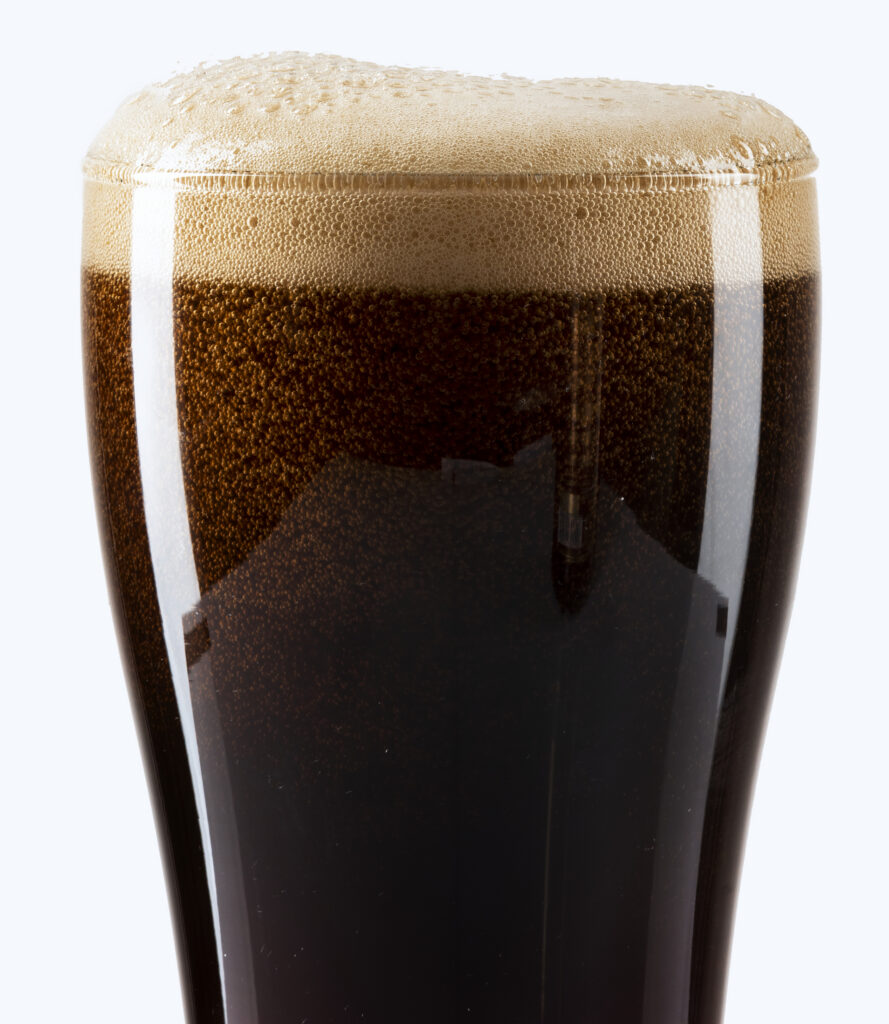
A good pint of stout with stew is obvious for a reason, the roasted bitterness and creamy texture echo the richness of the dish while keeping the palate awake. Crisp lagers and pilsners work beautifully with fried fish, cutting through batter and salt. Irish red ales can flatter burgers, sausages, and roast meats without dominating them. Whiskey opens another lane entirely, particularly with desserts or cheese.
The point is not that every pub offers a world-class beverage list. Many do not. The point is that the better ones understand pairing instinctively, even if they never say so out loud. They build a menu where drink and food complete the experience.
This is another place where New York helps. City pubs often serve a wider range of local craft beer, imported staples, ciders, and whiskey flights than travelers expect. That gives diners more flexibility. You can stay traditional or branch out, depending on the meal and your mood.
Pub food rewards repeat visits better than trendier formats
A restaurant that dazzles once can still disappoint on a second visit. A pub succeeds by being good repeatedly.
For serious eaters, that reliability is not boring. It is one of the clearest marks of quality. Anyone can have a lucky night. Consistency is what separates a useful restaurant from a one-off recommendation.
An Irish pub becomes part of a person’s dining life because it fits many occasions without lowering standards. Lunch meeting, solo dinner, pre-theater bite, long Sunday meal, group gathering, rainy-day refuge, late-evening craving, it handles all of them. Few restaurant categories are that versatile.
There is also the question of value. New York prices can be brutal. Even experienced diners feel that tension now. A pub often offers one of the more honest exchanges in the city. Portions tend to be substantial, menus accessible, and drinks less inflated than at places engineered around scarcity and hype. You leave feeling that the meal was worth what you paid, which sounds like faint praise until you remember how many expensive meals fail even that basic test.
What to look for when choosing a pub for the food
Not every pub deserves a detour. Some are drinking rooms with functional kitchens, and there is nothing wrong with that. If your goal is to eat well, a little judgment helps.
Here are a few signs that usually separate a food-first pub from an average one:
- The menu has range without sprawl. You want enough variety to show confidence, not a laminated encyclopedia.
- Daily specials exist for a reason. A market fish, seasonal soup, or roast often indicates an active kitchen.
- The room is busy across different dayparts. A place that draws lunch, dinner, and weekend traffic usually has deeper roots.
- Side dishes sound intentional. Care with vegetables, potatoes, and bread often predicts care everywhere else.
- Staff can actually describe the food. If a server knows how the pie is made or which beer works with the cod, that usually reflects a stronger operation.
None of these guarantees excellence. But together they give a reliable picture.
The underrated pleasure of the bar seat
If you care about restaurants, sit at the bar in a good pub at least once.
You learn things there. You see how quickly plates move from kitchen to guest. You hear what regulars order without hesitation. You notice whether the bartender checks in at the right moments or lets people settle. You get a feel for the place’s true rhythm, not just its dining room version.
A bar seat is especially useful if you are exploring a new Irish Pub NYC locals recommend but you are not sure whether it is going to be a full dinner destination. Start with something revealing. Soup, seafood chowder, a https://pastelink.net/diy5j8pn half-portion special if offered, fish and chips, or a pie. Add one drink that suits the meal. Watch how the room behaves. Often you can tell within twenty minutes whether the place takes pride in feeding people or simply in serving them another round.
Some of the best restaurant discoveries happen this way, almost accidentally. You stop in expecting one quick bite and end up staying for dessert because the kitchen has been quietly excellent from the start.
Tradition and adaptation can coexist on the same plate
There is a lazy argument that once a pub adapts to local tastes, it loses authenticity. In practice, the best New York pubs prove the opposite.
Authenticity in food is rarely about freezing a menu in time. It is about whether a place understands the spirit of what it serves. If a pub in New York uses better local oysters, adds a strong burger because the neighborhood wants one, or refines its salad offerings without abandoning shepherd’s pie and soda bread, that is not betrayal. That is intelligence.
Irish cooking itself has always been shaped by migration, trade, class, and available ingredients. New York, maybe more than any other city, makes that visible. A pub can honor Irish culinary identity while acknowledging where it stands. The result is often more compelling than rigid imitation.
You see this in small details. House-made mustard instead of packaged. Colcannon with sharper greens. Guinness-braised dishes adjusted for contemporary palates. Bread baskets that blend tradition with what the local bakery does best. None of that feels false when it is done with respect.
Why food lovers keep coming back
The longer you eat in New York, the more you appreciate places that remove friction from pleasure. You want restaurants that welcome appetite, know who they are, and execute with discipline. That is why a strong Irish pub keeps earning repeat visits from diners who have every option in the city.
It offers warmth without sentimentality. Familiar dishes without laziness. Drinks that belong at the table, not just at the bar. Rooms that feel social but not performative. Prices that often remain fair by city standards. Most of all, it offers food built for real life, food that understands weather, mood, company, and hunger.
There is also a deeper reason. The best meals are not always the rarest or the most elaborate. Often they are the ones that restore your faith in simple things done properly. A crisp fillet of fish, a spoonful of rich gravy, a loaf of warm brown bread, a pint pulled with care, a dessert you nearly skipped but are glad you ordered, these details stay with people.
That is what a great Irish pub in NYC can deliver. Not novelty for its own sake, not nostalgia packaged for tourists, but a grounded, deeply pleasurable meal in one of the most demanding restaurant cities in the world. For a food lover, that is not a side trip. That is the destination.
Hibernia Bar
401 W 50th St
New York, NY 10019, United States
Phone: +1 212-969-9703
FAQ About Irish Pub NYC
What is the best Irish pub in NYC?
The best choice depends on your location and preferred atmosphere. Hibernia Bar is a neighborhood Irish pub in Hell's Kitchen offering Guinness, Irish whiskey, pub food, and sports viewing.
Where do Irish people go in NYC?
New York's Irish community gathers in many neighborhoods and venues. Hibernia Bar welcomes Irish expats, local residents, and visitors at 401 W 50th St, just off Ninth Avenue.
Where can I watch GAA games in New York?
Hibernia Bar lists GAA among the sports it shows. Call +1 212-969-9703 to confirm coverage and opening times for a particular match before visiting.
What is the difference between a bar and a sports bar?
A sports bar emphasizes televised games and a shared viewing atmosphere. Hibernia combines sports viewing with the food, drinks, and hospitality of a neighborhood Irish pub.